That Moment at the Counter: Are You Choosing a Currency, or Paying Extra?
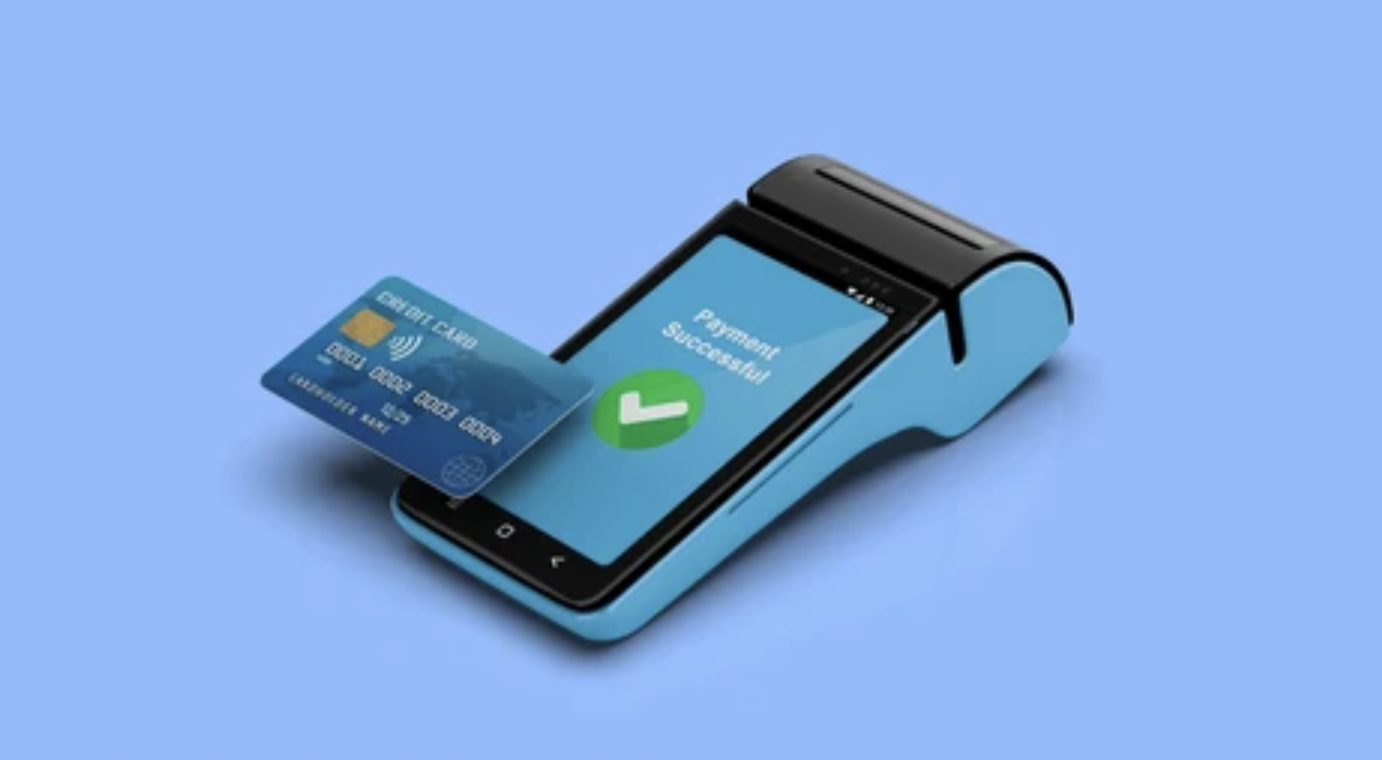
The first time I used my card overseas, I was honestly a bit lost.
It was just a small purchase at a regular store. When it came time to pay, the cashier looked up and asked, “Would you like to pay in your home currency or the local currency?”
I paused. I had no real idea what that meant, but “home currency” sounded familiar, so I nodded.
The transaction went through quickly, and I didn’t think much of it.
It wasn’t until later, when I happened to look more closely at my statement, that I noticed something odd. The exchange rate I got was slightly worse than I expected. Not dramatically worse—just a little bit. But over time, those small differences can add up.
Eventually, I learned that this choice has a name: Dynamic Currency Conversion (DCC).
When you choose to pay in your home currency, the exchange rate is set by the merchant or their payment provider. If you choose the local currency, the rate usually comes from your card network or issuing bank—often closer to the real market rate.
In other words, what feels like a convenient option can sometimes come with a quiet extra cost.
There’s no right or wrong here—it’s just something most people were never clearly told.
Now, when I’m asked the same question, I pause a little longer.
Unless there’s a specific reason, I usually choose the local currency.
Not because it’s perfect, but because I understand the choice I’m making.
Sometimes, financial decisions aren’t complicated—
they’re just missing that one simple explanation.