What Does CR Mean on a Credit Card? Credit Limits, Balances, and Billing Dates Explained
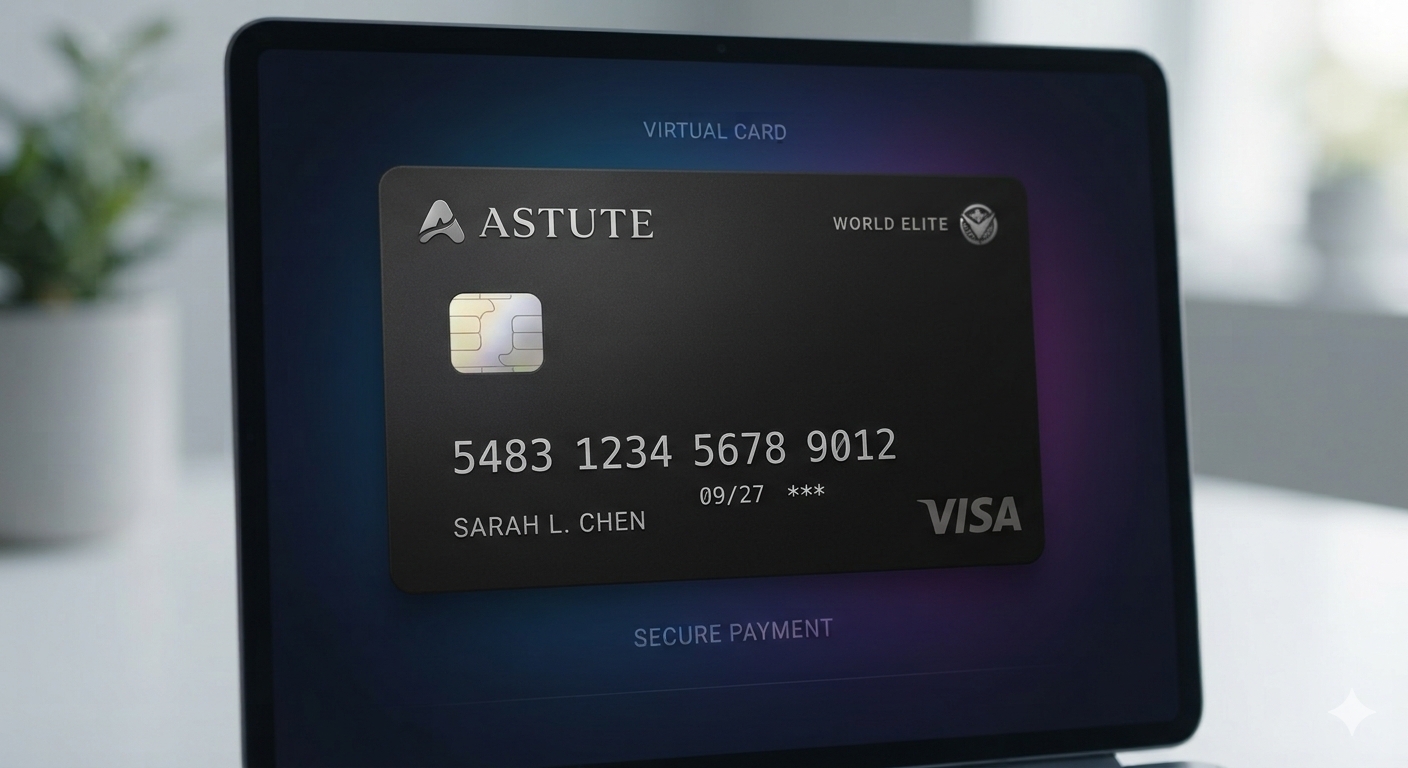
CR is short for Credit. In the context of credit cards, it most commonly refers to your credit limit — the maximum amount a bank allows you to spend on a card. In overseas Chinese communities, you'll often hear phrases like "my CR is high" or "this card has a good CR," both referring to credit limit.
What CR Means
CR is short for Credit. In the context of credit cards, it most commonly refers to your credit limit — the maximum amount a bank allows you to spend on a card. In overseas Chinese communities, you'll often hear phrases like "my CR is high" or "this card has a good CR," both referring to credit limit.
CR can also appear on bank statements as a label next to a positive balance — meaning money has been credited to your account, such as after a refund or payment.
Credit Limit: How It Works
Your credit limit is set by the bank when your card is approved. It's the ceiling on how much you can charge to the card at any given time.
What determines your credit limit:
Factor | How It Affects the Limit |
|---|---|
Income | Higher income generally means a higher limit |
Credit score | Better score, higher limit |
Length of credit history | Longer history is viewed more favorably |
Existing debt | High balances on other accounts lower your limit |
Banking relationship | Existing accounts with the same bank can help |
Credit Utilization — the number that matters most: Credit utilization is your current balance divided by your total credit limit. Keep it below 30% to avoid hurting your credit score.
Example: $10,000 limit, $3,000 balance = 30% utilization. Fine. Push that balance to $8,000 and your utilization hits 80% — that will drag your score down noticeably.
Statement Date vs Payment Due Date
These two dates confuse almost every new cardholder.
Statement Date (Billing Date): The day each month when your bank closes the billing cycle and generates your statement. Everything you spent since the last statement date gets added up and presented as your balance due.
Payment Due Date: The deadline by which you must pay at least the minimum — or ideally the full balance — to avoid interest and late fees. Banks typically give you 20–25 days after the statement date to pay.
Grace Period: The window between your statement date and payment due date. If you pay your full balance before the due date, you owe no interest on purchases made during the previous cycle. Most US cards offer a grace period of 21–25 days. Hong Kong cards typically offer 20–60 days.
How it looks on a timeline:
Purchase made ➡️ Statement Date ➡️ Payment Due Date
    1st              25th         15th of next month
A purchase made on the 1st can sit interest-free for up to 45 days if you pay in full by the 15th of the following month.
Minimum Payment: The Trap to Avoid
Every statement shows a minimum payment — usually 1%–5% of your balance, or a fixed floor amount, whichever is higher.
Paying only the minimum is one of the most expensive financial habits you can develop. The remaining balance accrues interest at your card's APR. Hong Kong cards typically charge 20%–36% annually. US cards typically charge 18%–29%.
At 24% APR, a $5,000 balance paid down at the minimum rate each month takes over 20 years to clear and costs more in interest than the original balance.
Pay the full statement balance every month. That's the only way to use a credit card without paying for the privilege of borrowing.
Annual Fee
Some cards charge an annual fee, deducted when the card is first issued and each year on the anniversary. A fee doesn't automatically make a card bad — cards with fees often provide rewards, lounge access, or travel insurance worth significantly more than the fee itself.
The question to ask is simple: is the value of the benefits I'll actually use greater than the annual fee? If yes, the card earns its cost. If you're guessing, it probably doesn't.
Hong Kong annual fees typically range from free to HKD 2,000+. US annual fees range from free to USD 695 (Amex Platinum).
Common Credit Card Terms at a Glance
Term | Meaning |
|---|---|
Welcome Offer / Sign-up Bonus | Extra rewards earned by spending a set amount within the first few months |
Cashback | A percentage of spending returned as cash |
Miles / Air Miles | Points redeemable for flights or upgrades |
Rewards Points | General points redeemable for cash, goods, or miles |
APR | Annual Percentage Rate — the annualized interest rate on unpaid balances |
Foreign Transaction Fee | A surcharge (typically 1.5%–3%) on purchases made in a foreign currency |
Balance Transfer | Moving debt from one card to another, often at a promotional interest rate |
Cash Advance | Withdrawing cash using your credit card — almost always at a higher rate than purchases |
Bottom Line
CR means Credit — in everyday use, usually credit limit. Understanding your limit, keeping utilization low, knowing when your statement closes, and paying your full balance by the due date are the four habits that determine whether a credit card works for you or against you.