Those Three Digits Know More Than You Think
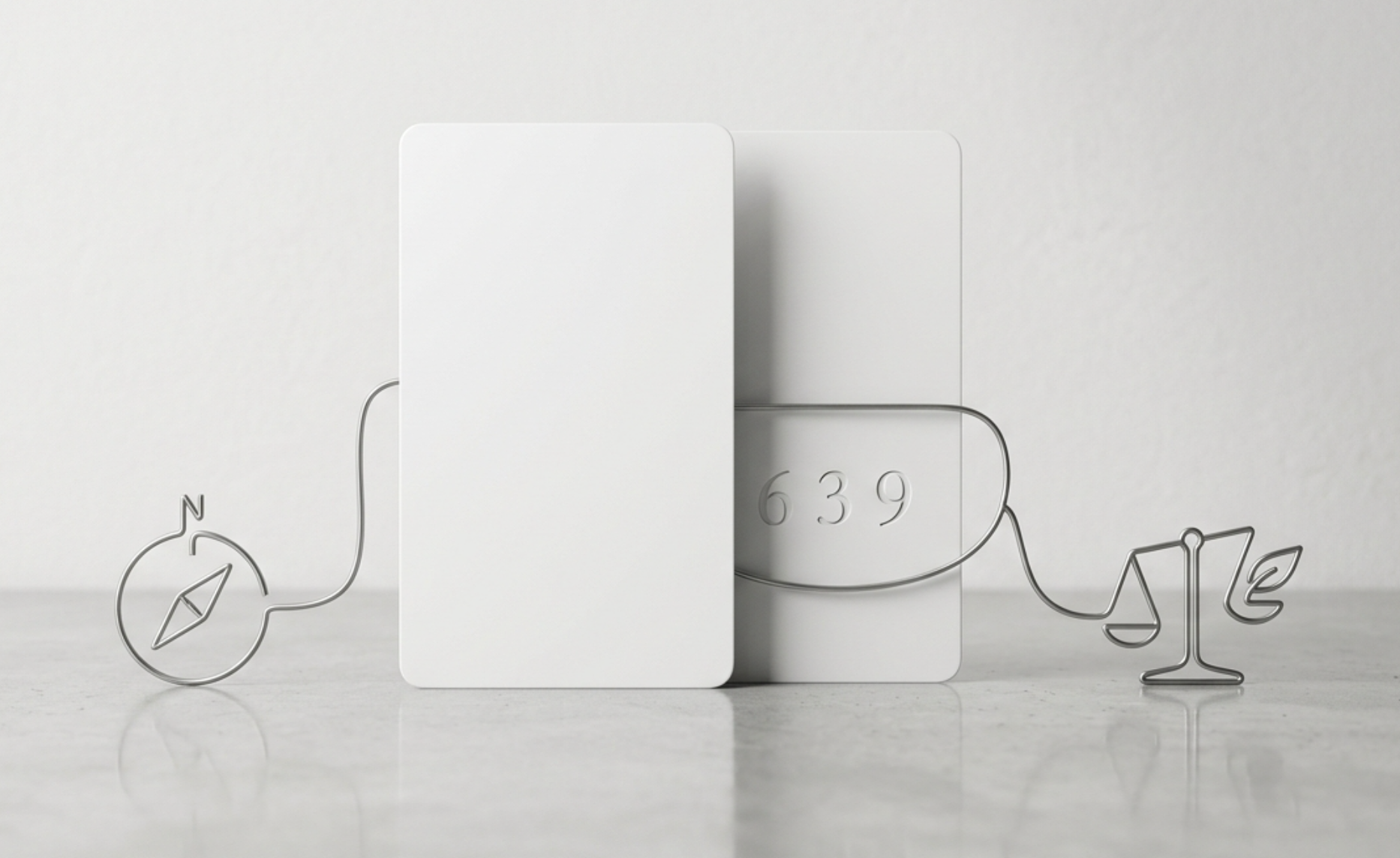
Those three digits on the back of your credit card aren't randomly assigned. They're calculated — using your card number, expiry date, and a private key held by your bank — run through an algorithm to produce a single output. The result: it lives only on your physical card. Your bank doesn't store a copy. What leaks in a data breach is your card number, name, expiry date. The CVV is the one piece that isn't there. Hackers get most of the puzzle — but not the piece that matters.
You've probably seen the headlines: a major platform gets hacked, millions of credit card records exposed.
But your card? Never touched.
Because your CVV was never in that database to begin with.
Where CVV comes from
Those three digits on the back of your card aren't randomly assigned. They're calculated — using your card number, expiry date, and a private key held by your bank — run through an algorithm to produce a single output.
The result: it lives only on your physical card. Your bank doesn't store a copy.
What leaks in a data breach is your card number, name, expiry date. The CVV is the one piece that isn't there. Hackers get most of the puzzle — but not the piece that matters.
Why you need it online but not in person
When you tap or swipe in a shop, the chip or magnetic stripe communicates directly with the terminal. The bank can verify your card is physically present.
Online, the bank can't see your card at all. It only receives what you type. The CVV becomes the answer to one question: can you read what's printed on the card?
It's not a password. It's proof that the card is in your hands.
But it has one serious weakness
CVV proves the card is with you. It can't prove you're the one using it.
Which is why the real danger isn't a database breach — it's a phishing site that tricks you into entering your details, someone photographing your card, or a checkout page that doesn't deserve your trust.
Keeping the card in your wallet isn't enough. The three digits on the back can't be seen, photographed, or handed over carelessly.
One line to remember:
CVV is calculated, not stored — it protects you from hackers, but it can't protect you from your own moment of carelessness.