From Zero to 750: How New Immigrants Build Credit in America
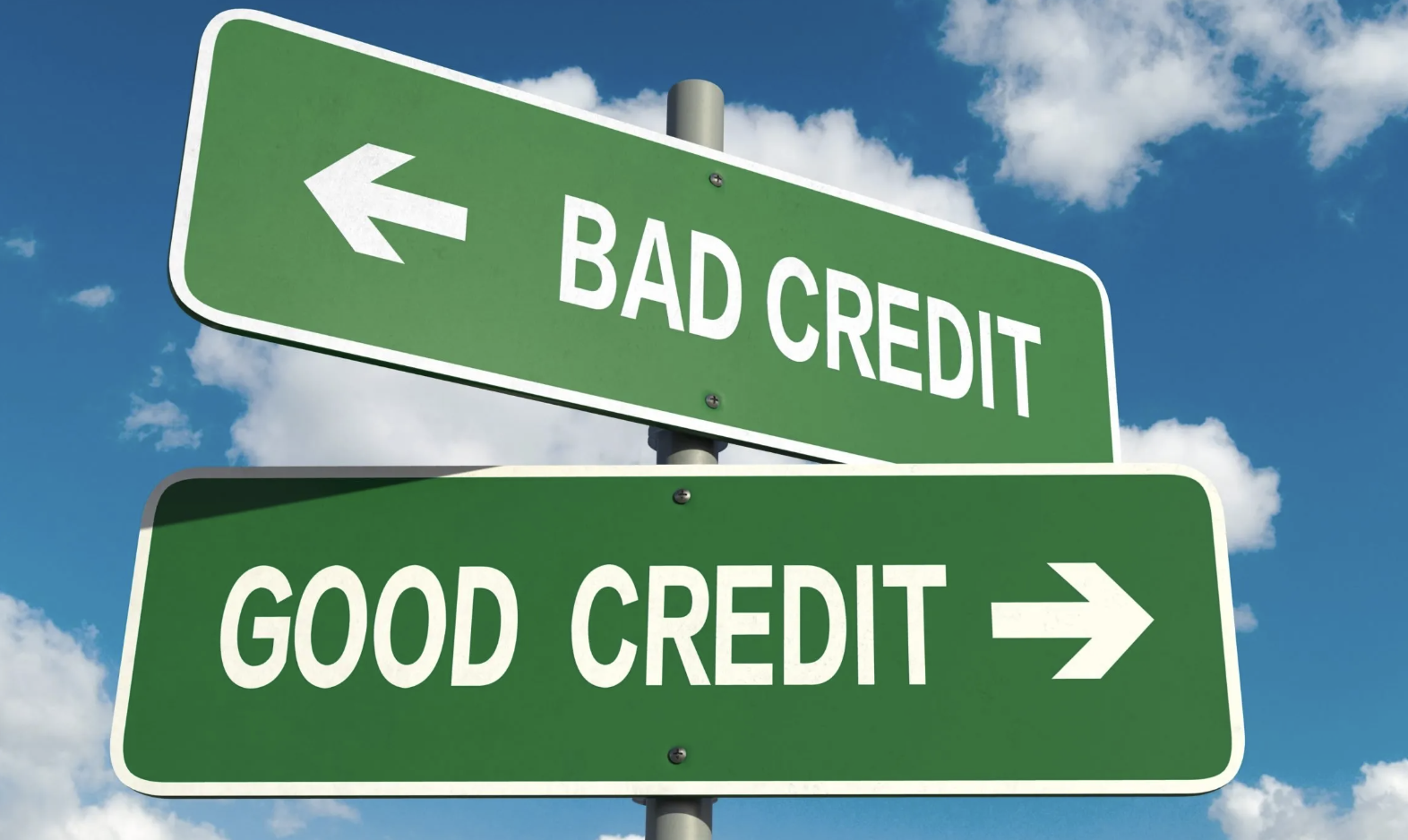
No matter how financially responsible you were back home — perfect repayment records, multiple cards, a mortgage — none of it transfers to the American credit system. Experian, Equifax, and TransUnion, the three major U.S. credit bureaus, only track activity within the United States. You arrive as a blank slate. This isn't a punishment. It's simply how the system works. And once you understand the rules, the path forward is clear.
When Lisa moved from Shanghai to San Francisco, she had a master's degree, a job offer, and exactly zero credit history in the United States.
Her first rude awakening came at the car dealership. The salesperson ran her credit check, paused, and looked up apologetically. "I'm sorry — we can't offer you financing. You have no credit file." She paid cash for a used Honda and drove home wondering how long this invisible wall would follow her.
The answer, she'd learn, was: as long as you let it.
Why Your Credit History Doesn't Cross Borders
No matter how financially responsible you were back home — perfect repayment records, multiple cards, a mortgage — none of it transfers to the American credit system. Experian, Equifax, and TransUnion, the three major U.S. credit bureaus, only track activity within the United States. You arrive as a blank slate.
This isn't a punishment. It's simply how the system works. And once you understand the rules, the path forward is clear.
The Foundation: Get a Secured Card First
A secured credit card is the standard starting point for anyone with no U.S. credit history — immigrant or not.
Here's how it works: you deposit a refundable amount (as little as $49 with Capital One's Platinum Secured) as collateral. That deposit becomes your credit limit. You use the card for everyday purchases, pay the balance in full each month, and the card issuer reports your on-time payments to all three bureaus every month.
That monthly report is the engine. Each on-time payment adds a brick to your credit file.
Two things to keep in mind: first, the interest rates on secured cards are high — typically 28–30% APR. Pay in full every month without exception. Second, the security deposit is not a payment — it's held separately and returned when you eventually graduate to an unsecured card, usually within 12 to 18 months of responsible use.
If you don't yet have a Social Security Number, Capital One accepts an ITIN (Individual Taxpayer Identification Number) for the Platinum Secured Card. An ITIN is available to anyone who files U.S. taxes, regardless of immigration status.
Credit Utilization: The Rule Nobody Tells You
Your credit score is influenced by several factors, but the two that matter most in the early months are payment history and credit utilization — the percentage of your available credit that you're using.
Keeping utilization below 30% is the standard advice. But there's a smarter approach: the Chime Card, a secured card with a twist, doesn't report utilization to the bureaus at all. You can spend freely within your balance without worrying about the ratio hurting your score.
For immigrants who are still learning to manage U.S. finances, this removes one variable from an already complicated equation.
The Timeline: What to Expect
Building credit from scratch in the U.S. typically follows this arc:
Month 1–3: Open a secured card. Begin making small purchases and paying in full.
Month 6: Most issuers automatically review your account for a credit limit increase.
Month 12–18: With consistent on-time payments, you may be offered an upgrade to an unsecured card and your deposit returned.
Month 24+: With a mix of credit types and a clean payment history, scores of 700+ become achievable.
Lisa hit 720 in her second year. By year three, she refinanced her car loan at a rate she couldn't have imagined on her first day at that dealership.
The Practical Checklist
Open a U.S. bank account as soon as possible — many secured card applications require one
Apply for a secured card (SSN or ITIN accepted at most major issuers)
Set up autopay for the full statement balance — never miss a payment
Keep your utilization low, or choose a card that doesn't report it
Be patient — the system rewards consistency, not speed
The invisible wall Lisa hit on her first day isn't permanent. It's a starting line.