USDT Virtual Cards: How They Work and What Can Go Wrong
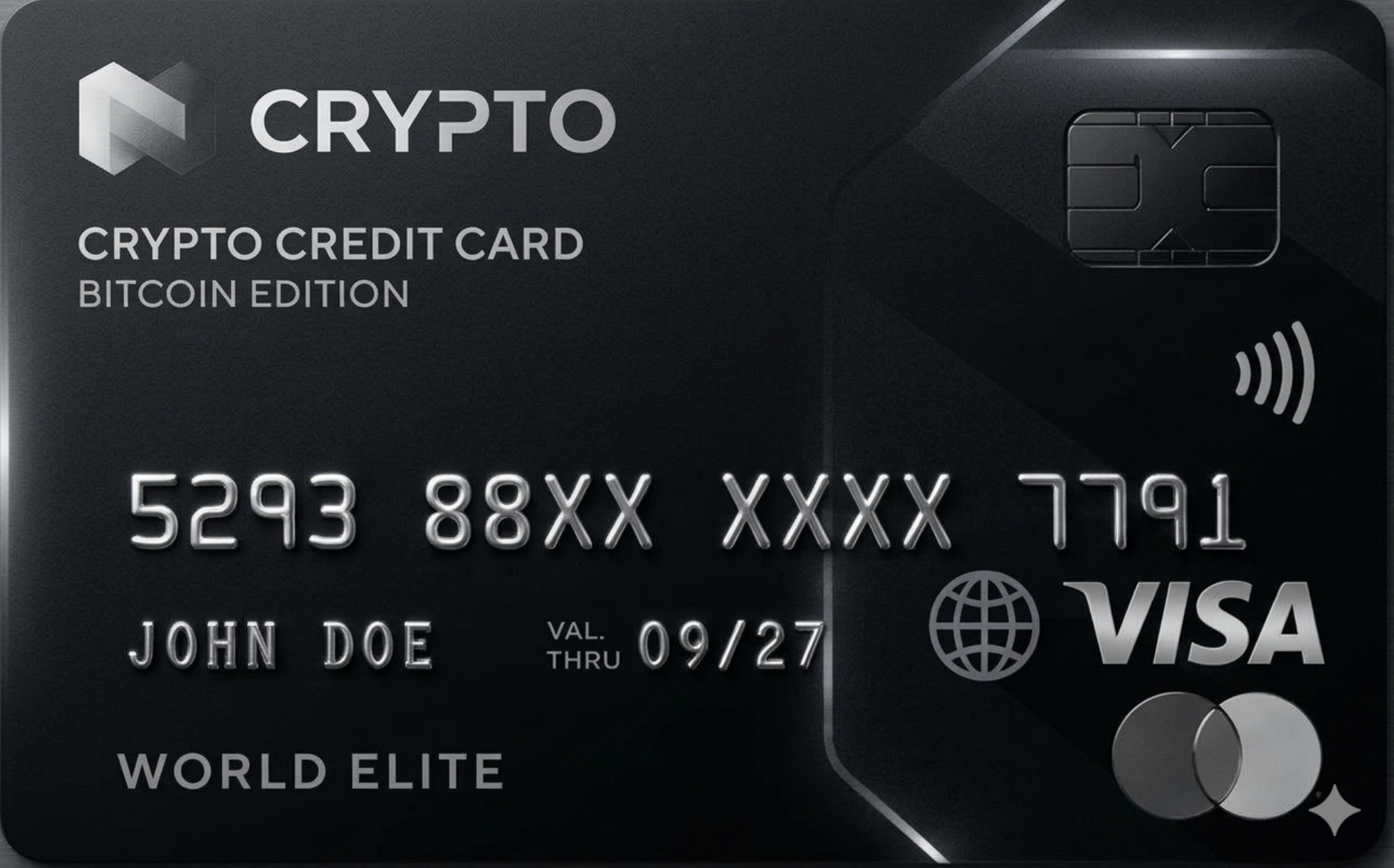
A USDT card (often called a "U-card" in Chinese-language ads) is a prepaid or debit card funded with USDT and spent over the Visa or Mastercard network. Ads frequently call it a "virtual credit card", but there is no credit line: you can only spend what you load, and it does nothing to build your credit history.
A USDT card is not a credit card. It is a prepaid card you top up with the stablecoin USDT. It solves real problems, but your money sits with a platform that is often outside the protection of your local financial regulators.
What is a USDT card?
A USDT card (often called a "U-card" in Chinese-language ads) is a prepaid or debit card funded with USDT and spent over the Visa or Mastercard network. Ads frequently call it a "virtual credit card", but there is no credit line: you can only spend what you load, and it does nothing to build your credit history.
Cards marketed with the word "crypto" actually fall into three distinct types:
Type | What it really is | Credit line? | Typical use |
|---|---|---|---|
USDT card (U-card) | Prepaid card; the platform converts your coins to fiat for you | No | Paying for overseas subscriptions, spending crypto |
Exchange debit card | Debit card that sells your crypto at the moment you pay | No | Everyday spending by exchange users |
Crypto-rewards credit card | A regular bank-issued credit card that pays rewards in crypto | Yes, and reported to credit bureaus | Building US credit while earning rewards |
How the money flows
A single USDT card payment usually involves four parties, yet the only one you deal with directly is the outermost layer, the card platform:
You send USDT to the card platform's wallet address.
The card platform takes the USDT and credits you a USD or EUR balance. It runs the marketing, the app and customer support, but it is usually not the card issuer.
The issuer (BIN sponsor) is the institution that actually holds Visa or Mastercard issuing rights, often based in Singapore, Hong Kong, Switzerland, Lithuania or other offshore jurisdictions.
The card network and the merchant process the payment over the normal international card rails. The merchant receives fiat and never knows you paid with crypto.
Step 2 is the crux. Between your USDT and the balance in your account, the money is in the platform's hands. What contract the platform has with the issuer, and whether customer funds are held separately, is almost invisible to ordinary users.
Five main risks
1. The platform shuts down or disappears, and your balance may be gone
This is the biggest risk. The USDT you load sits in the platform's account. It is not a bank deposit and carries no deposit insurance. If the platform shuts down, is stopped by regulators or vanishes with the funds, users usually wait in line for refunds or never recover their money at all. Several virtual card services have already shut down in recent years, leaving users scrambling to withdraw.
2. Frozen cards and tainted funds
Ads often promise "no risk of frozen cards". That is only half true. Spending on a USDT card does bypass your home bank, but the risk moves elsewhere. First, USDT bought through peer-to-peer trades can come from unclear sources. Second, the issuer or card network can freeze the card at any time for risk-control reasons, and you are dealing with an overseas company with limited ways to appeal.
3. Hidden fees
"Free to open" does not mean cheap. Common charges include card issuance fees, monthly fees, top-up fees (often 1% to 3%), foreign transaction fees, ATM withdrawal fees, and the exchange-rate spread when USDT is converted to fiat. Stacked together, the real cost can be noticeably higher than an ordinary overseas bank card.
4. Tax
If you are a US tax resident, spending crypto counts as selling an asset under tax law. Every purchase can create a capital gain or loss that must be reported. Because USDT's price is stable, the amounts are usually tiny, but the reporting obligation still applies. Rules differ in other countries, so check against your own tax residency.
5. Misleading marketing
USDT cards are high-commission affiliate products, and many "reviews" and "top picks" lists are paid through referral fees. Common exaggerations include "zero risk", "no ID required" and "never frozen". "No ID required" should be read as a red flag, not a selling point: platforms that skip identity checks are often the first to run into trouble.
If you must use one: five checks
Find the issuer. Can you find the actual issuing institution and its license on the website or in the terms? If it only says "partnered with Visa" without naming the issuer, walk away.
Check identity verification. Platforms with proper KYC checks are more reliable. "No ID required" is a warning sign, not a feature.
Load small amounts as you go. Only load what you plan to spend in the next month or two. Do not treat the card as a savings account.
Add up the full cost. Combine issuance, monthly, top-up and FX fees plus the spread, then compare with other options.
Watch for warning signs. Slower withdrawals, unresponsive support, or sudden changes to fees or terms are all signals to move your balance out quickly.
Safer alternatives
Most people use USDT cards simply to pay for things abroad. Depending on your situation, there are safer routes:
Your situation | Safer option | Why |
|---|---|---|
Already in the US (student or new immigrant) | US bank debit card or student credit card | Covered by FDIC and other protections, and builds US credit history |
Address or job in Hong Kong | Hong Kong bank card or licensed virtual bank | Regulated by the HKMA, supports HKD and multiple currencies |
Sending money across borders | Licensed money transfer service | Transparent rates, funds protected by local regulators |
These options have higher account-opening requirements and slower processes, but your money is protected by local financial regulation. That protection is exactly what USDT cards lack.
The bottom line
USDT cards solve real problems, but they trade protection for convenience. If you only pay the occasional subscription and keep small balances, the risk is manageable. If you plan to use one heavily over the long term, or as your main channel for moving money, weigh every risk above carefully.
Disclaimer: This article is for general information only and is not legal, tax or investment advice. Platform policies and regulations change quickly, so rely on official sources and consult a professional where needed. This site does not accept affiliate commissions from any USDT card platform.