How to Apply for a US Credit Card Without an SSN (2026 Guide)
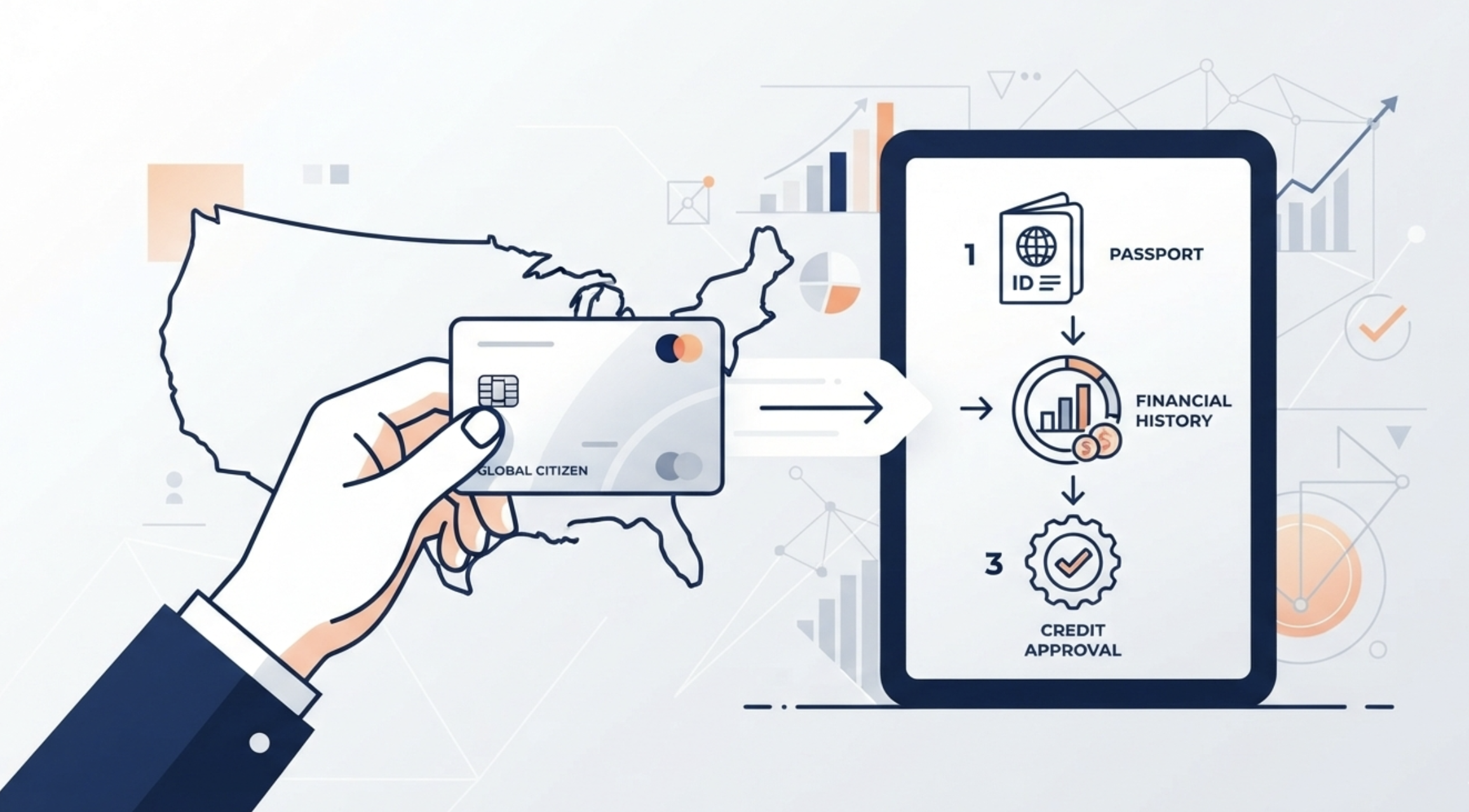
No Social Security Number? You can still get a US credit card. This guide covers ITIN cards, secured cards, and the best options for immigrants and international students in 2026.
No Social Security Number? You can still get a US credit card. This guide covers ITIN cards, secured cards, and the best options for immigrants and international students in 2026.
If you just moved to the United States, you've probably run into this wall: most credit card applications ask for a Social Security Number (SSN), and you don't have one yet.
The good news is you have real options. This guide explains exactly how to build US credit without an SSN — and which cards are worth applying for.
Why SSN Is Normally Required
Credit card issuers use your SSN to pull your credit report from the three major bureaus (Equifax, Experian, TransUnion). Without a credit history in the US, lenders can't assess your risk — so most standard cards are off the table until you establish credit.
But "no SSN" doesn't mean "no options."
Option 1: Apply With an ITIN
An Individual Taxpayer Identification Number (ITIN) is issued by the IRS to people who need to file US taxes but aren't eligible for an SSN. If you're on a work visa, study visa, or earning US income, you can apply for an ITIN.
Which cards accept ITIN applications:
Discover it® Secured — One of the most immigrant-friendly cards. Accepts ITIN, reports to all three bureaus, and has no annual fee.
Deserve EDU Mastercard — Designed for international students. No SSN required at all — not even an ITIN.
Capital One Platinum Secured — Accepts ITIN, low deposit requirement, path to unsecured card.
How to get an ITIN:
Complete IRS Form W-7
Submit with your federal tax return or a qualifying exception
Processing takes 7–11 weeks
Option 2: Secured Credit Cards
A secured card requires a cash deposit (usually $200–$500) that becomes your credit limit. Because the bank holds collateral, they don't need to rely as heavily on your credit history.
This is the most reliable path for new arrivals with no US credit history.
What to look for in a secured card:
Reports to all three major credit bureaus (essential for building credit)
No annual fee or low annual fee
Path to upgrade to an unsecured card
Returns your deposit when you graduate
Recommended secured cards for immigrants:
Card | Deposit | Annual Fee | SSN Required |
|---|---|---|---|
Discover it® Secured | $200+ | $0 | ITIN accepted |
Capital One Platinum Secured | $49–$200 | $0 | ITIN accepted |
Citi® Secured Mastercard® | $200+ | $0 | SSN preferred |
Option 3: International Student Cards
If you're studying in the US on an F-1 or J-1 visa, some issuers have created products specifically for you.
Deserve EDU Mastercard for Students is the standout here — it doesn't require an SSN or a US credit history. You apply using your passport, visa, and student status. It earns 1% cashback on all purchases and has no annual fee.
Option 4: Become an Authorized User
If you have a family member or close friend who is a US citizen with good credit, ask to be added as an authorized user on their card. You'll get a card in your name and their payment history may be added to your credit report — helping you build credit passively.
This doesn't require an SSN on your end.
Option 5: Credit Cards From Your Home Country
Some international banks offer US credit products to existing customers. If you bank with HSBC internationally, for example, you may be able to apply for an HSBC US card using your existing relationship — without starting from scratch.
Building Credit After You Get Your First Card
Getting the card is step one. Building a strong credit score is the real goal.
Key habits:
Pay your balance in full every month — never carry a balance
Keep your credit utilization below 30% (ideally below 10%)
Don't apply for multiple cards at once — each application is a hard inquiry
Set up autopay so you never miss a payment
Most people see a meaningful credit score (650+) within 6–12 months of responsible card use.
When Can You Apply for Premium Cards?
Once you have an SSN and 12–18 months of US credit history, the full range of cards opens up. At that point, you can consider cards like the Chase Sapphire Preferred, Amex Gold, or Capital One Venture X — cards with significantly better rewards.
Summary
Situation | Best Path |
|---|---|
Have ITIN, no SSN | Discover it® Secured or Capital One Platinum Secured |
International student | Deserve EDU Mastercard |
Have family member with US credit | Authorized user |
No ITIN yet | Start ITIN application + use prepaid card in the meantime |
Rates and product details are accurate as of 2026. Always verify current terms directly with the card issuer before applying. ClearFinLab does not accept paid rankings.